Commercial Waste Tunbridge Wells — Recycling and Sustainability
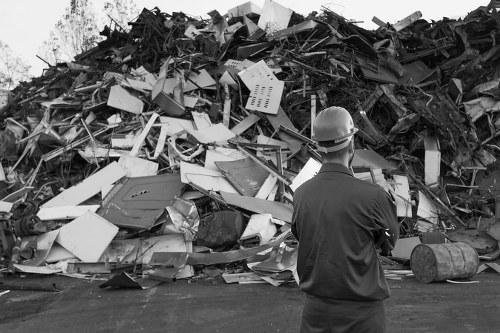 Welcome to our overview of Commercial Waste Tunbridge Wells and the practical steps we take to create an eco-friendly waste disposal area across the borough. This page explains how Tunbridge Wells commercial rubbish services work with local councils, transfer stations and community partners to turn business refuse into resources. Our focus is on measurable outcomes, low-carbon logistics and supporting a vibrant sustainable rubbish area for businesses of every size.
The borough’s approach to waste separation emphasises kerbside sorting and targeted business streams: separate collection for paper and card, glass, mixed plastics, food waste and separate bulky collections for furniture and electricals. By aligning with the wider Tunbridge Wells municipal strategy, commercial waste Tunbridge wells services support consistent segregation at source — the single most effective step toward high-quality recycling and reuse.
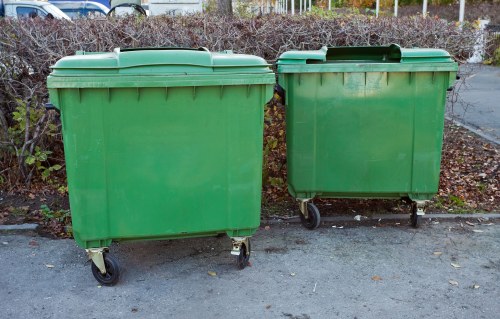 We set an ambitious recycling percentage target for our commercial collections: a borough-wide goal of 65% commercial recycling by 2030. This target is realistic yet challenging and supports national ambitions to reduce landfill and incineration. Progress is tracked quarterly and shared in summary reports, so businesses can see how their waste diversion contributes to the wider environmental picture.
Local transfer stations are the backbone of an efficient eco-friendly waste disposal network. In Tunbridge Wells we operate with and through established facilities such as the North Farm Household Recycling Centre and adjacent transfer hubs in neighbouring towns. These transfer stations receive segregated commercial loads, compact and transfer materials to specialised processing centres — maximising material recovery for recycling and reuse.
 Partnerships with charities and reuse organisations are central to building a truly sustainable rubbish area. We work with national and local charities to redirect usable goods from commercial clearances into the community rather than into waste streams. Typical partnerships include collaboration with furniture reuse charities, textile refurbishment groups and community reuse shops that accept electrical items after PAT testing.
Examples of charity and community collaboration include:
- Furniture and appliances donated to reuse centres instead of disposal.
- Clothing and textiles collected through trade textile banks for local charities.
- Office equipment and IT refurbished and redistributed to training centres and nonprofits.
To reduce operational emissions we have invested in a fleet of low-carbon vans and vehicles dedicated to commercial waste collection. Our low-emission vans include electric and hybrid models designed for urban routes across Tunbridge Wells, supported by route optimisation software that minimises mileage and idle time. These measures ensure that the commercial rubbish collection footprint is continually reduced while maintaining reliable service for businesses.
Operational best practices for a sustainable rubbish area
Separation at source, frequent training for driver-collection teams and close coordination with transfer stations are key to achieving our recycling goals. We encourage businesses to adopt simple onsite policies — clear labelling of bins, scheduled staff briefings on segregation and the use of consolidated pick-up days to reduce vehicle movements. These practical steps make a measurable difference to the performance of Tunbridge Wells commercial waste services.
Monitoring, reporting and continuous improvement
 Robust monitoring systems allow us to measure material flows from the point of collection through to final processing. We report on diversion rates, contamination levels and participation rates in business recycling schemes. Audits and performance reviews help refine collection frequencies, container sizing and educational outreach, while seasonal adjustments ensure service levels meet demand without wasteful excess.
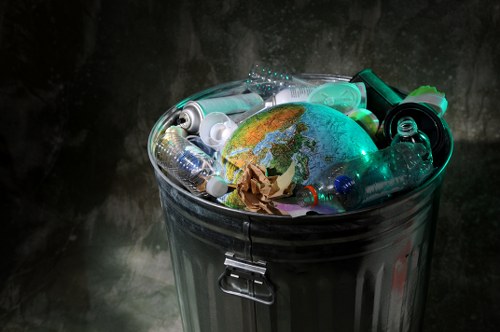 In practice, creating an eco-friendly waste disposal area in Tunbridge Wells means combining practical on-site segregation with strong partnerships and low-carbon logistics. By targeting a 65% recycling rate, collaborating with local transfer stations and charities, and deploying low-emission vans, we create a circular, resilient commercial waste ecosystem. Businesses across Tunbridge Wells can contribute to this transition by embracing separation, offering reusable items to partners and choosing collection services that prioritise sustainability.
Key commitments at a glance:
- Recycling percentage target: 65% commercial recycling by 2030.
- Local transfer stations: strategic use of North Farm HWRC and nearby hubs to optimise material recovery.
- Charity partnerships: working with reuse organisations to keep usable goods in the community.
- Low-carbon fleet: electric and hybrid vans with route optimisation for lower emissions.
Commercial waste services in Tunbridge Wells are about more than collection: they’re about designing a sustainable rubbish area that supports the local economy, reduces environmental impact and returns value to the community. Whether you manage retail, hospitality, offices or light industry, adopting the borough’s approach to waste separation and choosing eco-friendly waste disposal options will help reach our shared sustainability goals.
Join the movement toward cleaner, greener commercial waste management in Tunbridge Wells — where every separated item and every low-emission mile helps build a circular future.
