Tunbridge Wells rubbish clearance real cost guide
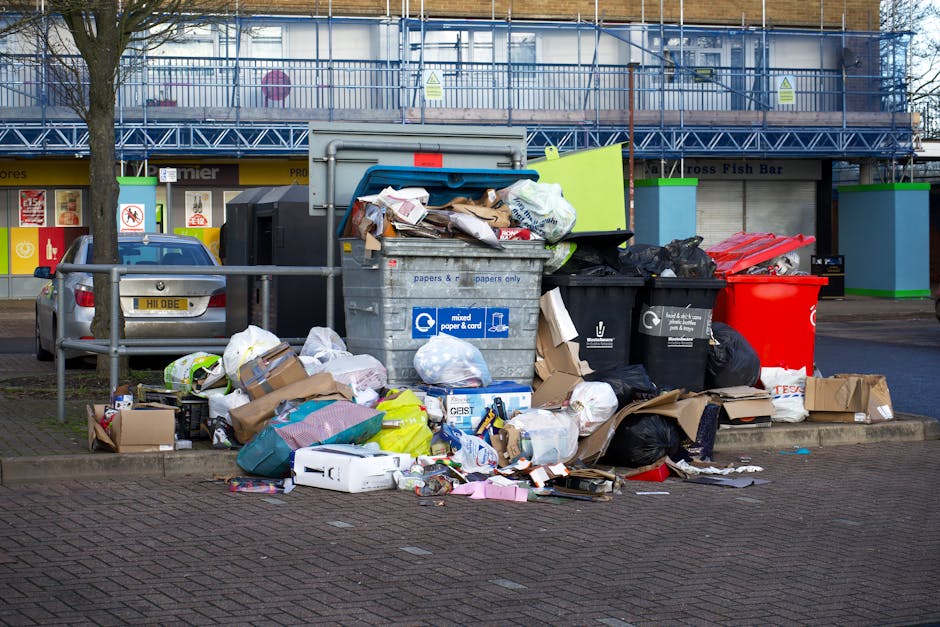
If you are trying to work out what rubbish clearance in Tunbridge Wells should actually cost, you are not alone. Most people start with a simple question - "How much will this really be?" - and then hit a wall of vague quotes, hidden extras, and confusing service descriptions. This Tunbridge Wells rubbish clearance real cost guide cuts through that noise and gives you a practical, plain-English view of what affects pricing, where the money goes, and how to avoid paying more than you need to.
Whether you are clearing a house after a move, shifting builders' debris, or finally tackling the garage that has turned into a small museum of forgotten things, the real cost depends on volume, access, labour, item type, and disposal requirements. Let's break it down properly.
Why Tunbridge Wells rubbish clearance real cost guide Matters
Price is only part of the story, but it is the part most people feel first. A cheap-looking quote can become expensive once loading time, heavy lifting, congestion, difficult access, or specialist disposal gets added on. On the other hand, an all-in clearance service can look pricier at first glance and still be better value if it saves you multiple trips, skip permit hassles, or a sore back on a damp Tuesday afternoon.
In Tunbridge Wells, the "real cost" question matters because properties are varied. You have town centre flats with tight stairwells, period homes with awkward loft access, commercial units, and gardens that seem harmless until you start lifting wet soil, broken fencing, or old sheds. Each setting changes the job. That is why one-size pricing usually falls apart.
There is also a trust issue. People do not just want cheap removal; they want waste handled responsibly, with proper disposal and recycling where possible. A good provider should explain what is included, what is not, and how the charge is calculated. If they cannot do that clearly, that is a red flag. Simple as that.
Expert summary: The real cost of rubbish clearance is not just "how much stuff you have". It is the combination of volume, weight, labour, access, waste type, disposal route, and urgency. Once you understand those parts, quotes become much easier to compare.
How Tunbridge Wells rubbish clearance real cost guide Works
Rubbish clearance usually works in a fairly straightforward way. You describe the job, the provider estimates the load, and then the team removes, sorts, loads, and disposes of the waste. The cost is built around the time and resources needed to complete that process safely and legally.
Most pricing models fall into one of these broad approaches:
- Load-based pricing: You pay according to how much van space or truck space your waste takes up.
- Item-based pricing: Individual bulky items such as sofas, mattresses, fridges, or appliances may be priced separately.
- Labour-based pricing: If the job needs more carrying, lifting, dismantling, or sorting, labour becomes a bigger part of the quote.
- Project-based pricing: Larger clearances such as a house, garage, loft, or office may be priced as a single job after inspection or photos.
That means the cheapest headline figure is not always the cheapest end result. If a company charges a low base rate but then adds on waiting time, access fees, disposal surcharges, or item exclusions, the final bill can jump quite a bit. To be fair, that is often where people feel caught out.
A helpful way to think about it is this: you are paying not only for removal, but for speed, convenience, and peace of mind. For larger or mixed loads, a service like waste removal can be more practical than trying to manage everything yourself. For home-based jobs, home clearance or house clearance may suit better depending on the scale.
Key Benefits and Practical Advantages
A clear understanding of pricing does more than help you save money. It helps you choose the right service for the job. That matters because the wrong option can waste time, create stress, and sometimes lead to avoidable extra charges.
- Better budgeting: You can set a realistic figure before booking instead of guessing.
- Cleaner comparisons: You can compare quotes on a like-for-like basis, which is a lot fairer.
- Less stress on the day: You know whether labour, access, or bulky-item charges are likely to apply.
- Fewer surprises: A proper quote should explain what is included from the start.
- More efficient clearance: You can prepare the site and reduce wasted time.
There is also an environmental angle. Responsible providers should aim to sort reusable materials, recyclable items, and general waste appropriately. If sustainability matters to you - and increasingly it does - look at a company's approach to recycling and sustainability before you decide. A slightly higher quote can sometimes reflect better sorting, safer handling, or more ethical disposal routes.
And yes, the convenience matters more than people admit. Clearing a packed garage in one morning feels very different from making six awkward car journeys with dusty bags, a creaky mattress, and that one broken shelf that keeps snagging your sleeve. Nobody misses that bit.
Who This Is For and When It Makes Sense
This guide is for anyone who needs a rubbish clearance service in Tunbridge Wells and wants to know what the real cost should look like before booking. That includes homeowners, landlords, tenants, builders, office managers, and people dealing with a property after a move, refurbishment, or bereavement.
It is especially useful if you are dealing with one of these situations:
- House moves: You need unwanted furniture, bags, or general junk removed quickly.
- Renovation work: Builders' debris, timber offcuts, packaging, and old fixtures need clearing.
- Garden projects: Soil, branches, fencing, turf, and broken pots can add up fast.
- Flat clearances: Access, stairs, and parking can affect the labour cost.
- Garage or loft clearances: These often contain mixed waste and more sorting than expected.
- Office clear-outs: Furniture, paperwork, electronics, and confidential materials may need different handling.
If you only have a few bags, you might not need a full clearance service at all. But once there are bulky items, heavy lifting, or a large mixed load, it often becomes better value to use a professional team than to keep piecing the job together yourself.
In some cases, specific services are a better fit. For example, old wardrobes and chairs may fall under furniture clearance, while a full property reset may point you toward flat clearance or office clearance. Different job, different pricing logic.
Step-by-Step Guidance
Here is the simplest way to approach rubbish clearance pricing without getting tangled up in sales talk.
- List what needs removing. Be specific. "Old furniture, bags, and stuff from the shed" is less useful than "two sofas, one mattress, eight black bags, a broken mower, and three shelving units".
- Separate ordinary waste from specialist waste. Some items need extra handling, and that changes the quote. Appliances, hazardous materials, and confidential material are common examples.
- Estimate volume. Think in van-space terms or compare to something familiar, like a small corner of a room, a half-full garage, or a full loft hatch and beyond.
- Check access. Stairs, narrow hallways, no parking, long carries, and basement access can all affect labour time.
- Ask what is included. Is loading included? Disposal included? VAT included? Labour included? If not, ask what might be added later.
- Compare at least two quotes. Not for sport. Just so you can see whether one provider is missing a major cost or simply pricing more carefully.
- Prepare the site. Put aside anything you want to keep. Group waste together if possible. That saves time and reduces mistakes.
- Book with a clear understanding of timing. Urgent same-day jobs can cost more, especially if the team needs to reshuffle an existing route.
A small real-world detail: if the waste is sitting in a damp garage or on a driveway after a wet spell, it can be heavier than it looks. Cardboard soaks up water. Soil clings to roots. Garden waste, especially, has a habit of pretending to be light until you start lifting it. Then it is suddenly less charming.
Expert Tips for Better Results
A few sensible habits can make a big difference to price and experience.
- Photograph the waste in good light. Clear photos help quotes stay accurate.
- Be honest about access. If the team has to carry everything down two narrow flights of stairs, say so early.
- Ask about item categories. A sofa, fridge, or mattress may be handled differently from bagged household rubbish.
- Bundle similar items together. Mixed loads are manageable, but clear grouping helps the team work faster.
- Move keepers away from the clearance area. That avoids accidental removal and awkward "I thought that was going too" moments.
- Choose the right service level. A small rubbish run and a full property clearance are not the same thing.
If you are dealing with bulky household items specifically, it can be worth looking at mattress and sofa disposal or fridge and appliance removal rather than treating everything as one generic job. That kind of specificity often makes pricing more accurate.
Also, ask for the quote in writing. Not because everyone is trying to be slippery, but because written details reduce misunderstandings later. It is a small thing, but it saves a lot of annoyance.
Common Mistakes to Avoid
Most pricing problems come from the same handful of mistakes. Thankfully, they are easy enough to avoid once you know what to look for.
- Choosing on price alone: The lowest quote can become the most expensive if it excludes key costs.
- Underestimating volume: A "few items" often turns into a half-load once everything is gathered together.
- Ignoring access issues: Tight stairs, parking restrictions, or long carry distances should be mentioned early.
- Mixing special waste with general rubbish: This can trigger extra handling requirements.
- Leaving sorting until the team arrives: That slows the job down and can increase labour time.
- Not checking disposal standards: A cheap, informal service may not handle waste as carefully as you would expect.
One especially common mistake is forgetting how quickly junk grows when you start sorting. You open one cupboard, then another, then the garage, and somehow the pile doubles before lunchtime. It happens all the time. Human nature, really.
Another one: assuming skip hire and clearance are the same. They are not. A skip can suit some projects, but if you need lifting, sorting, or you do not have space outside the property, a direct clearance service may be the more sensible route. If you want to understand what belongs in a skip before comparing options, see what can go in a skip.
Tools, Resources and Recommendations
You do not need fancy tools to prepare for rubbish clearance, but a few simple things make the process smoother.
- Phone camera: Use it to capture the load from several angles.
- Notes app: Write a list of bulky items, room by room, so nothing gets forgotten.
- Tape measure: Helpful for awkward items or access points.
- Bin bags, labels, and marker pens: Useful when sorting what stays and what goes.
- Access notes: Parking limitations, gate codes, stair counts, and delivery restrictions are worth recording.
In terms of recommendations, start with the end goal. Do you want the room emptied, the garage cleared, or the entire property reset? That answer shapes the service you need. For a broader domestic job, house clearance or home clearance may be the right fit. For outdoor waste, a dedicated garden clearance often makes more sense than general rubbish removal.
If the job involves business paperwork or sensitive documents, do not just throw them in with the rest. A specialist route such as confidential shredding is a better option. That is one area where cutting corners really is a false economy.
Law, Compliance, Standards, or Best Practice
For rubbish clearance, the most important principle is simple: waste should be handled responsibly and lawfully. You do not need to become a compliance expert, but you should expect the company you hire to follow accepted UK waste-handling practice, maintain appropriate safety procedures, and dispose of material through proper channels.
From a customer's point of view, the practical checks are straightforward:
- Do they explain disposal clearly?
- Do they separate hazardous or specialist waste appropriately?
- Do they handle lifting and loading safely?
- Do they have sensible insurance and safety processes?
If a job involves heavy items, awkward access, sharp materials, or anything that could damage a property, safe handling matters as much as cost. It is worth reviewing a provider's health and safety policy and insurance and safety information if those pages are available. That is not overthinking it. That is just good practice.
Specialist waste types also need extra care. Hazardous materials, fridges, electronics, and some construction waste can require different treatment, so you should always flag them in advance. If you are unsure, ask before the booking is confirmed rather than hoping for the best. Hope is fine for birthdays, not for waste classification.
Options, Methods, or Comparison Table
Here is a practical comparison of common clearance routes. Exact pricing varies, but the structure below helps you decide which option fits your job.
| Method | Best for | Cost shape | Pros | Watch-outs |
|---|---|---|---|---|
| Rubbish clearance service | Mixed waste, bulky items, quick removal | Usually based on load size, labour, and disposal type | Fast, convenient, lifting included | Quote depends on access and item type |
| Skip hire | Ongoing renovation waste, DIY jobs, gradual loading | Fixed hire period plus permit or placement factors | Useful if you are filling waste slowly | You load it yourself; not ideal for heavy lifting or limited space |
| Item-specific disposal | Sofas, mattresses, fridges, appliances | Priced by item or category | Clear, targeted, easy to compare | Less useful for mixed loads |
| Full property clearance | House, flat, loft, garage, office clear-outs | Usually project-based | Best for larger jobs and time-saving | Needs good brief and access details |
For builders or renovators, a dedicated route such as builders waste clearance may be the better fit. For local businesses, business waste removal is often more suitable than ad hoc disposal. Different jobs, different methods - and that is where cost gets clearer.
Case Study or Real-World Example
Here is a realistic example based on the kind of job people in Tunbridge Wells often face.
A homeowner is moving out of a two-bed flat and wants to clear a three-seater sofa, a mattress, a broken coffee table, five bags of general rubbish, and a small TV unit. There is one narrow staircase, parking is awkward, and the items need to be removed before lunchtime because the keys are being handed back at 2 p.m.
On paper, that sounds like a "small job". In practice, it is a mixed access-and-lifting job with a time constraint. The real cost is affected by:
- the bulky sofa and mattress
- the staircase carry
- parking and loading distance
- the deadline
- the mix of item types
If the customer had said only "a few bits and pieces", the quote might have been too low. If they had tried to move the sofa and mattress themselves, they could easily have lost an hour, a neighbour's goodwill, and possibly a stairwell wall. Nobody wants that kind of morning, truth be told.
With a clear description and photos, the provider can give a far more realistic price. That is the main lesson. Better information equals better pricing. Always.
Practical Checklist
Use this checklist before you request a quote or book a collection.
- List every item you want removed.
- Separate general waste from bulky items and specialist waste.
- Take clear photos in daylight.
- Check stairs, parking, gates, and carry distance.
- Decide whether you need a small clearance or a full property clearance.
- Ask whether loading, labour, and disposal are included.
- Confirm how appliances, mattresses, and furniture are priced.
- Remove anything you want to keep before the team arrives.
- Ask how recycling or re-use is handled where possible.
- Get the quote in writing and keep a copy.
A few minutes of prep can save a surprising amount of money. More importantly, it helps the job run smoothly, which is half the battle.
Conclusion
The real cost of rubbish clearance in Tunbridge Wells is rarely just about the load itself. It is shaped by access, labour, item type, disposal route, and how clearly the job is described at the outset. Once you understand those factors, quotes become easier to compare and easier to trust.
If you want the best value, be precise, ask sensible questions, and choose the service that actually fits the job rather than the cheapest headline price. That approach usually saves money, time, and stress - a pretty decent combination, if you ask me.
Get a free quote today and see how much you can save.
And if you are still weighing up the options, take a breath and sort the list first. A calm, clear plan nearly always leads to a cleaner, cheaper result.
Frequently Asked Questions
How is rubbish clearance priced in Tunbridge Wells?
It is usually priced by load size, labour, item type, and access. Some jobs are quoted as a project, especially if they involve a house, loft, garage, or office clearance.
What affects the final cost most?
The biggest cost drivers are volume, weight, how easy it is to reach the waste, and whether the items need specialist disposal. Urgent bookings can also cost more.
Is rubbish clearance cheaper than hiring a skip?
Not always. A skip can work well for ongoing DIY waste, but rubbish clearance may be better value if you need lifting, sorting, or have limited space. It depends on the job.
Do I need to sort the rubbish before collection?
It helps, but you do not always need to sort everything perfectly. Grouping similar items and separating anything special usually makes the quote more accurate and the collection quicker.
Can I include furniture in a general rubbish clearance?
Often yes, but bulky furniture may be priced differently. Sofas, mattresses, and wardrobes can sit in separate item categories, so it is best to mention them up front.
What if I only have a small amount of waste?
If it is just a few bags, a full clearance service may not be necessary. But if the waste is awkward, heavy, or hard to transport, professional removal can still make sense.
How do I avoid hidden charges?
Ask what is included before booking. Look for labour, loading, disposal, VAT, and any extra charges for access, heavy items, or specialist waste. Written quotes help a lot.
Is same-day rubbish clearance more expensive?
It can be, because the team may need to adjust routes or fit your job into a tighter schedule. If your timing is flexible, you may get a better price.
What should I do with appliances like fridges or freezers?
Flag them separately. Appliances often need specific handling, so they should not be mixed into a general pile without warning.
Can a clearance company remove waste from a flat or top-floor property?
Yes, but access matters. Narrow stairs, no lift, parking issues, and long carries can all affect the price, so give those details when requesting a quote.
What about confidential paperwork or office files?
Those should be handled separately, ideally through a confidential shredding service. Do not place sensitive documents in a general rubbish pile.
How do I know if a provider is trustworthy?
Look for clear pricing, sensible communication, and an explanation of how waste is handled. Their about us page, pricing and quotes information, and policies such as terms and conditions or payment and security can also help you judge how professional they are.
What is the best first step if I am not sure what service I need?
Make a list of the waste, take a few photos, and contact the provider with access details. If you are unsure whether you need general removal, furniture disposal, or a full clearance, asking early usually saves time and money later.