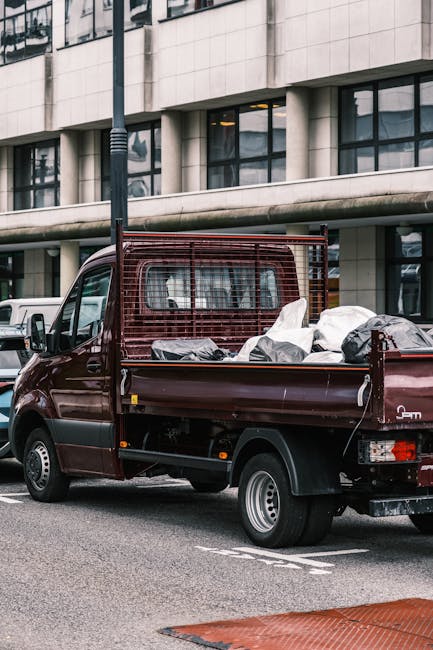
Avoid hidden charges in Tunbridge Wells rubbish removal quotes
If you've ever compared rubbish removal prices and thought, "That looks fair enough," only to discover extra fees creeping in later, you're not alone. The quickest way to avoid hidden charges in Tunbridge Wells rubbish removal quotes is to know what should be included, what should be questioned, and what a proper quote should actually say. That sounds simple, but in practice it's where people get caught out.
This guide breaks it down in plain English. You'll learn how quotes are usually built, which charges are worth challenging, what to check before you book, and how to compare providers without getting distracted by a cheap headline price that grows legs later. A lot of the stress disappears once you know the right questions to ask. Honestly, it's one of those jobs that feels much less mysterious once you've seen behind the curtain.
For readers looking for a broader overview of pricing expectations, it can also help to review the provider's pricing and quotes guidance alongside the practical advice below.
Why avoid hidden charges in Tunbridge Wells rubbish removal quotes matters
Hidden charges are not just annoying. They can turn a tidy, sensible job into a messy bill you didn't budget for. In rubbish removal, the risk is especially common because the final price often depends on volume, weight, access, loading time, and the type of waste being collected. If any one of those details is misunderstood, the quote can shift.
In Tunbridge Wells, where homes and businesses can range from compact flats to larger period properties, access can also change the cost picture. A narrow drive, a top-floor flat, a long walk from the road, or a tricky collection point can all affect the amount of labour involved. That does not mean every job should cost more. It means the quote should explain why it might.
Let's be fair: most customers are not trying to understate the job. They simply do not know which details matter. That's exactly why clear quoting matters. When a provider is transparent, you can compare like for like. When they are vague, the cheapest quote can become the most expensive option after all the extras are added on.
A genuinely useful quote should help you understand the total cost before anyone turns up, not after the waste is already on the truck.
How avoid hidden charges in Tunbridge Wells rubbish removal quotes works
Good rubbish removal quoting works by matching the real job to the right price structure. That might be a fixed quote for a clearly described collection, or a variable price based on the amount of waste removed. Either can be fine. The problem is not the pricing model itself. The problem is when the model is not explained clearly enough for you to make an informed decision.
Typically, a quote is shaped by a few practical factors:
- Volume: how much space the waste takes up in the vehicle.
- Weight: especially relevant for dense materials like rubble, soil, or broken furniture.
- Waste type: general household waste, bulky items, appliances, or restricted materials.
- Access: stairs, distance from collection point, parking, or loading restrictions.
- Labour: whether the team is simply collecting items or also carrying them down several floors, dismantling, or sorting.
- Disposal route: whether the waste can be recycled, reused, or needs specialist handling.
That's the honest version. If a company asks only for "a few photos" and then gives a rough price, that can still work well, but only if they explain the assumptions behind it. For example, a quote may look low because it assumes easy access and standard household waste. If your collection turns out to include a heavy fridge, that may change things.
Clear operators will say this upfront. The quote might include wording such as "subject to confirmation on arrival" or "additional charges may apply for hazardous or restricted waste." That is normal, as long as it is specific and reasonable, not a surprise line item hiding in the small print.
If you're comparing service types, it's worth understanding how different clearances are priced in practice. A straightforward office clearance, for instance, can be very different from a mixed household load. You can see how these distinctions are handled across services such as office clearance and house clearance.
Key benefits and practical advantages
The main benefit of avoiding hidden fees is obvious: you keep control of the budget. But there are a few less obvious advantages too.
- Less stress on collection day: no awkward debate at the kerbside about what the price "really" means.
- Better comparison shopping: you can compare providers based on actual service, not just a flashy headline.
- Fewer delays: clear quotes reduce the chances of collections being paused while someone renegotiates.
- Better planning: if you are clearing a flat, garage, loft, or office, you can coordinate your day properly.
- More trust: transparency is usually a sign that the business has a proper process behind it.
There is also a practical emotional benefit, which sounds a bit soft but matters in real life. A lot of people booking waste removal are already dealing with clutter, renovation pressure, moving house, or the aftermath of a big tidy-up. The last thing you want is a price argument when you're trying to get the room back to normal.
Expert summary: A fair quote is not necessarily the cheapest one. It is the quote that explains the job clearly, includes the likely extras, and leaves no mystery about what happens if the collection changes on the day.
That's the sort of clarity that saves time, money, and a fair bit of irritation.
Who this is for and when it makes sense
This approach is useful for almost anyone arranging rubbish removal in Tunbridge Wells, but it is especially important if your collection is not a neat one-bag job. If you have bulky items, mixed waste, or awkward access, you need to know how the pricing works before you commit.
It tends to matter most for:
- Homeowners clearing lofts, garages, or spare rooms
- Renters moving out of flats and needing fast removal
- Landlords dealing with leftover items after a tenancy
- Office managers handling furniture or bulky office waste
- Tradespeople clearing builders' waste after a job
- Households disposing of large furniture or appliances
In a small Tunbridge Wells flat, a collection might look simple from the hallway but still involve stairs, parking issues, and careful handling. In a larger house, the challenge might be the amount rather than the access. A garden clearance can seem cheap at first, then become more involved once bags of soil, hedge cuttings, broken planters, and old fencing are added in. Funny how that happens, isn't it?
If your job is specific, choosing the right service from the start can also reduce pricing confusion. A targeted page like garden clearance or builders waste clearance will often align better with the actual waste type than a vague generic enquiry.
Step-by-step guidance
Here is a practical process you can follow before accepting any rubbish removal quote.
- List everything to be removed. Be specific. "General junk" is too broad. Say whether it includes furniture, rubble, bags of waste, appliances, mattresses, or confidential items.
- Add access details. Mention stairs, parking, long carries, basement access, or anything else that may affect labour time.
- Separate standard waste from specialist waste. Items like fridges, chemicals, paint, or electrical equipment may need different handling.
- Ask what the quote includes. Check labour, loading, transport, disposal, recycling, and VAT if applicable. Not every business presents costs the same way, so ask directly.
- Request the likely extra charges in writing. If a price can rise on arrival, ask exactly why and by how much.
- Check whether there is a minimum charge. Some jobs are priced with a minimum load or minimum call-out, which is fine if it is disclosed.
- Confirm the collection window. Time windows matter because waiting around all afternoon can have its own hidden cost in your day.
- Take photos if asked. Good photos help with accuracy, but they should be clear and complete. A single snapshot of one corner of the room is not enough. A bit cheeky to expect magic from that, really.
- Read the terms and conditions. If cancellation fees, access issues, or restricted materials are covered there, it is better to know before booking.
- Keep the final confirmation. Save the written quote or booking email so you have something to refer back to if there's a dispute.
If you are booking online, a page such as book online can be useful, but only if the booking form still gives enough room for accurate waste details. Speed is handy. Accuracy matters more.
Expert tips for better results
Here's where the small details make a real difference.
1. Use plain language, not shorthand. Instead of saying "just a few bits," explain what those bits actually are. A sofa and three chairs are not "a few bits" in pricing terms. A builder's bag full of rubble is not the same as a bag of clothes.
2. Ask about mixed loads. Mixed waste often costs more to sort, especially if some items can be recycled and others cannot. That does not mean you should avoid mixed collections. It simply means the quote should reflect the mix.
3. Clarify the parking situation. In some parts of Tunbridge Wells, parking and access can be a bigger factor than people expect. If the vehicle cannot stop nearby, labour time may rise. Say this early.
4. Treat "from" prices as starting points only. A "from GBPX" quote is not dishonest on its own. It is just incomplete unless the provider explains what changes the price.
5. Ask what happens if the load is smaller than expected. A good company should not overcharge you because the job turns out to be lighter than guessed. If anything, it should be the other way round. Fairness works both ways.
6. Check whether recycling is included in the service promise. A company that handles waste responsibly will usually be open about what is reused, recycled, or disposed of through proper channels. You can read more about this kind of approach in the recycling and sustainability information provided by the business.
7. Keep an eye on specialist items. Fridges, sofas, mattresses, and potentially hazardous waste can all affect price. Those are not "gotchas" if they are disclosed. They become problems only when nobody mentions them until the van is outside.
A tiny bit of scepticism is healthy here. Not cynical. Just alert. That's the sweet spot.
Common mistakes to avoid
Most pricing problems come from a handful of repeat mistakes. The good news is that they are easy to avoid once you know them.
- Choosing the cheapest headline price without checking conditions.
- Failing to mention bulky items or heavy waste.
- Assuming the quote includes VAT when it does not say so.
- Ignoring access issues like stairs, narrow entrances, or long carries.
- Not asking whether labour, disposal, and transport are bundled together.
- Sending only one photo when the job needs a fuller view.
- Overlooking special items such as mattresses, fridges, paint tins, or confidential paperwork.
- Booking in a rush and not reading the terms.
The tricky one is usually mixed waste. People often underestimate how much space soft items take up, or how awkward dismantled furniture can be once it's stacked. A wardrobe might look manageable in a hallway and then somehow fill half the van. It happens.
If you know you have bulky furniture to clear, look at the specific service details for furniture disposal or furniture clearance rather than assuming a general collection will suit you best.
Tools, resources and recommendations
You do not need a complex toolkit to avoid hidden charges. What you need is a better habit of checking details before you agree to anything.
- Photos: take wide shots of the items, access route, stairs, and doorway if relevant.
- Room-by-room list: helpful for house clearances, loft jobs, or garage clear-outs.
- Waste categorisation: separate general items, bulky furniture, electricals, and anything potentially hazardous.
- Quote comparison notes: keep the same checklist for each provider so you are comparing fairly.
- Terms and conditions: always read the cancellation policy, access assumptions, and extra charge wording.
For some readers, it also helps to understand the boundaries of what can and cannot be loaded together. If you are thinking about a skip-style alternative or want to understand waste restrictions more broadly, the page on what can go in a skip is a useful companion reference.
And for specialised waste, do not guess. If you are clearing a fridge, freezer, or other appliance, check the specific handling approach first through fridge and appliance removal. Same idea for mattresses and sofas, which often have their own disposal considerations.
Law, compliance, standards, or best practice
This area touches money, waste handling, and potentially regulated materials, so caution is sensible. The exact legal responsibilities can vary depending on the waste type and the circumstances, but a trustworthy rubbish removal provider should be able to explain how they handle waste lawfully and responsibly.
Best practice usually means:
- Being clear about what the quote includes and excludes
- Explaining any surcharge for heavy, bulky, or restricted waste
- Handling waste through appropriate disposal and recycling routes
- Avoiding misleading "all-in" claims that are not really all-in
- Being transparent about booking, payment, and cancellation terms
For customers, the main job is to avoid vague promises. For providers, the main job is to make the pricing understandable. That is why pages like terms and conditions, payment and security, and insurance and safety matter more than many people realise. They help set expectations before anyone arrives.
If a job involves items that may be hazardous, the responsible move is to ask the provider how those materials are managed. Do not assume they are fine to mix in with household waste. If in doubt, speak up early. A quick question now is better than a complication later.
Options, methods, or comparison table
Different pricing methods suit different kinds of jobs. Here is a simple comparison to help you choose the one that feels fairest for your situation.
| Pricing method | How it works | Best for | Watch out for |
|---|---|---|---|
| Fixed quote | Price is agreed in advance based on a clear description of the job. | Defined collections with good photos and clear access. | May change if the actual load differs from the description. |
| Load-based pricing | Cost depends on the amount of space your waste takes up. | Mixed collections and jobs where volume is the main factor. | Needs a clear explanation of what counts as half-load, full-load, and so on. |
| On-arrival assessment | Team confirms the final price after seeing the waste in person. | Unusual or hard-to-describe jobs. | Can create uncertainty unless the rules are very clear. |
| Special-item pricing | Extra charges may apply for appliances, mattresses, or restricted waste. | Collections with bulky or specialist items. | These extras should be stated before booking, not discovered later. |
There is no one perfect method. A fixed quote can be brilliant for peace of mind. A load-based quote can be fairer when the size of the job is uncertain. The key is transparency. If the provider can't explain the method in one minute, that's a sign to slow down and ask more questions.
Case study or real-world example
Here's a straightforward example from a typical local scenario.
A couple in Tunbridge Wells are clearing out a spare room before decorating. They think they have a few bags, an old chest of drawers, and a mattress. On inspection, there's also a broken desk, a small bookcase, several boxed odds and ends, and awkward access up two flights of stairs. If they had accepted a vague quote by phone, the final bill could easily have shifted once the team arrived.
Instead, they send a fuller description with photos: the mattress, the furniture, the bags, the staircase, and the parking situation. The provider replies with a clearer estimate and explains that the mattress and bulky furniture are included, but the price may change if any additional heavy items are found on arrival. That is fair. No drama, no surprise.
On the day, the team arrives, loads the items, and the final charge matches the agreed scope. The room is left clear, the couple can start decorating, and nobody has to do the awkward "we never said that" dance beside the front door. Small mercy, really.
This sort of outcome happens when the quote is based on accurate information and the provider has a transparent process. It is not flashy, but it works.
Practical checklist
Use this checklist before you confirm any rubbish removal booking.
- Have I listed every item to be removed?
- Have I included photos or a clear description?
- Have I mentioned stairs, distance, parking, or access restrictions?
- Do I know whether the quote includes labour, loading, disposal, and transport?
- Have I asked about VAT and any minimum charges?
- Have I checked for extra fees on fridges, mattresses, sofas, or hazardous items?
- Have I read the terms and conditions?
- Do I have the quote in writing?
- Do I know what happens if the actual load is different on the day?
- Have I chosen the right service type for the waste I actually have?
If you can tick most of those boxes, you are in a much better position to avoid hidden charges. And yes, it does feel a bit like homework, but the kind that saves money.
Conclusion
The best way to avoid hidden charges in Tunbridge Wells rubbish removal quotes is simple: be specific, ask direct questions, and insist on clarity before booking. Most pricing problems come from missing details, not from the waste removal itself. A clear quote should tell you what is included, what may cost extra, and what happens if the job changes.
That means you can compare providers properly, budget with confidence, and avoid the common trap of chasing the lowest headline price. In real life, the best value is often the most transparent service, because it saves time, stress, and those awkward little surprises that nobody enjoys.
If you're ready to move forward, contact the team with a clear description of your waste, access details, and any specialist items. If you want to read more about the business behind the service first, take a look at the about us page.
Get a free quote today and see how much you can save.
One careful quote now can spare you a lot of faff later. And honestly, that's worth a fair bit.
Frequently asked questions
How do I know if a rubbish removal quote is hiding extra charges?
Look for vague wording, missing details, and prices that only say "from" without explaining what changes the cost. If the quote does not mention labour, disposal, access, VAT, or restricted items, ask for clarification.
Should a rubbish removal quote include labour and disposal?
It should clearly state whether labour, loading, transport, and disposal are included. Some companies bundle everything together; others separate certain costs. The important part is that you know which model is being used.
Why do rubbish removal prices change after the team arrives?
Usually because the actual waste differs from the description, or access is harder than expected. Extra charges can also apply for heavy, bulky, or specialist items. A good provider should explain those possibilities before booking.
Is the cheapest quote usually the best choice?
Not always. A very low quote can be fine, but it may also leave out important costs. Compare what each quote includes rather than looking only at the headline price. That's where the real story is.
What details should I give to get an accurate rubbish removal quote?
Share the type of waste, rough volume, photos if possible, access conditions, parking situation, and any specialist items such as appliances, mattresses, or hazardous materials. The more precise the information, the more reliable the quote.
Do I need to mention stairs or parking restrictions?
Yes. Stairs, long carries, narrow entrances, and parking difficulties can affect labour time and therefore price. Even if you think it's obvious, mention it anyway. Better too much detail than too little.
Are fridges, sofas, and mattresses usually charged separately?
They can be. Some items need special handling or disposal routes, so they are often priced differently from general waste. Check the provider's specific service information before you book.
What should I check in the terms and conditions?
Look for cancellation fees, access assumptions, minimum charges, payment terms, and anything relating to additional waste discovered on collection day. If the wording is unclear, ask before confirming.
Can I reduce the price by sorting my waste first?
Often, yes. Separating reusable items, general waste, and specialist items can make quoting more accurate and sometimes easier to price. It may also help with recycling, which is a nice bonus.
What's the difference between a fixed quote and a load-based quote?
A fixed quote gives you one agreed price based on the details you provide. A load-based quote changes according to how much space the waste takes up. Both can be fair if explained properly.
Should I ask for the quote in writing?
Definitely. A written quote or booking confirmation gives you a record of what was agreed and makes it much easier to resolve any disagreement later. Verbal estimates are helpful, but writing is better.
What if my waste includes something potentially hazardous?
Tell the provider immediately and do not assume it can be mixed with general rubbish. Hazardous items may require specialist handling. If in doubt, ask how they manage such waste before collection day.
How can I compare rubbish removal companies fairly?
Use the same description, photos, and access details for each quote. Then compare what is included, what is excluded, and how extras are handled. Fair comparisons make the decision much easier.
Where can I learn more about the company's policies before booking?
Useful pages to review include terms and conditions, payment and security, and complaints procedure. They help you understand how the business works before you commit.